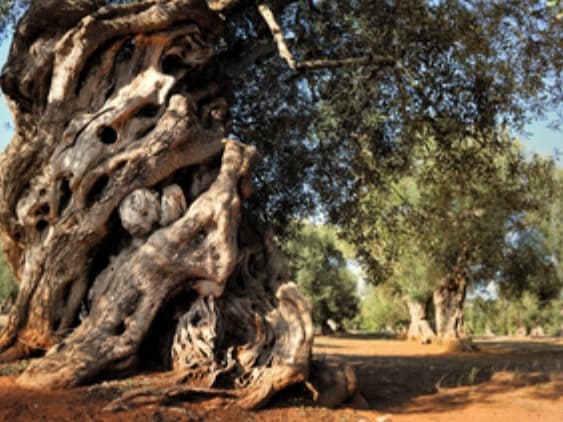
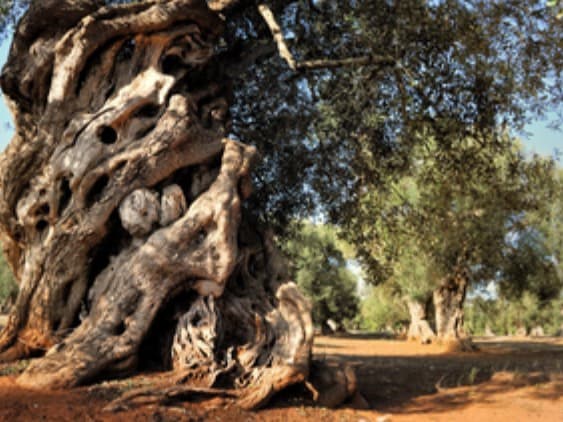
A symbol of peace and glory, the olive tree is a primeval, resilient tree whose lifespan can reach millennia. Its cultivation in the Mediterranean basin – where almost all the world's olive oil is produced – dates back to the 6th century BC. It reached the Iberian Peninsula through the Phoenicians and the Greeks, but olive oil production was only strongly boosted under the Roman Empire, thanks to the discovery of the potential for expanding olive groves on arid soils.
Since time immemorial, olives have accompanied good bread and olive oil has shone at every meal, giving aroma and flavour to food. In times gone by, which many in Portugal will still remember, it was the fuel for oil lamps, and its fame as a healing balm and beauty ingredient has crossed centuries and generations, and is increasingly in the spotlight in innovative beauty treatments.
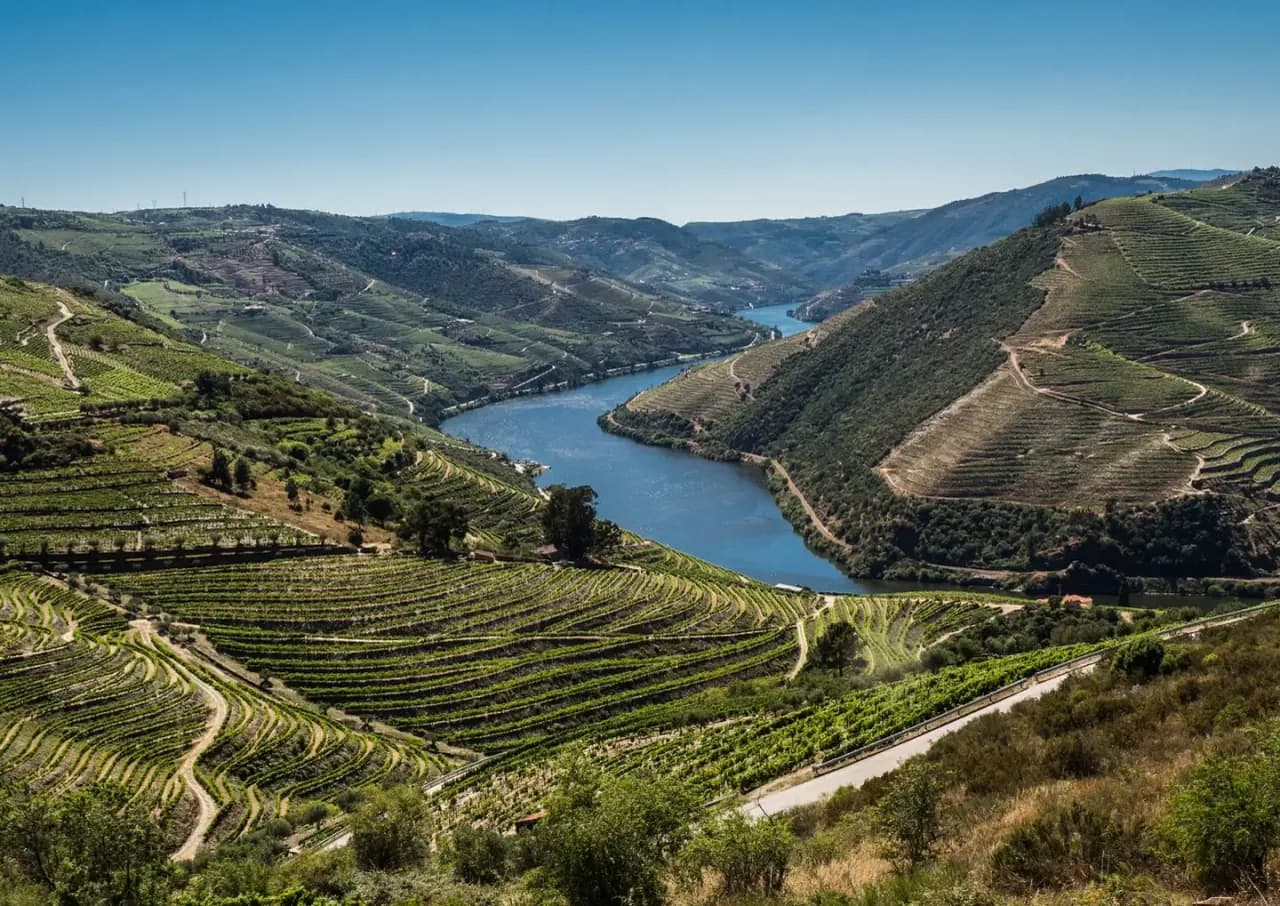
In the North of Portugal, where it is common to see olive trees bordering vineyards, almond groves and other main crops, olive growing has its roots in Trás-os-Montes and the Douro, where the typically Mediterranean climate favoured its development. Given a strong boost in the 1950s through the creation of olive growers' cooperatives, olive oil production in the Porto and North region has increased substantially over the last 70 years, after its benefits for cardiovascular health were recognised in the 1990s, and it has since held an undisputed place in the Mediterranean diet.
Trás-os-Montes olive oil was one of the first in the country to be certified as a “Protected Designation of Origin” (PDO), and the region is today the second largest olive-growing region, after the Alentejo. Unlike the Alentejo, its groves are mostly traditional, rain-fed and of low productive intensity. The Mediterranean climate of the Douro and Trás-os-Montes, combined with the rugged schist soils, provides ideal conditions for producing golden, aromatic olive oils with very low acidity, a peppery finish and an unmistakable flavour.
Beyond the beautiful impact that olive growing has on our landscape and its long presence in traditional northern cooking, the trilogy of olive tree, olive and olive oil is increasingly associated with the boom in cultural tourism in inland territories. In recent years, the Porto and North of Portugal Regional Tourism Board, in partnership with the sector's economic stakeholders – public, private and associations, notably the cooperatives – has carried out work to organise the tourism offer around these endogenous resources, in collaboration with academia and the region's trade.
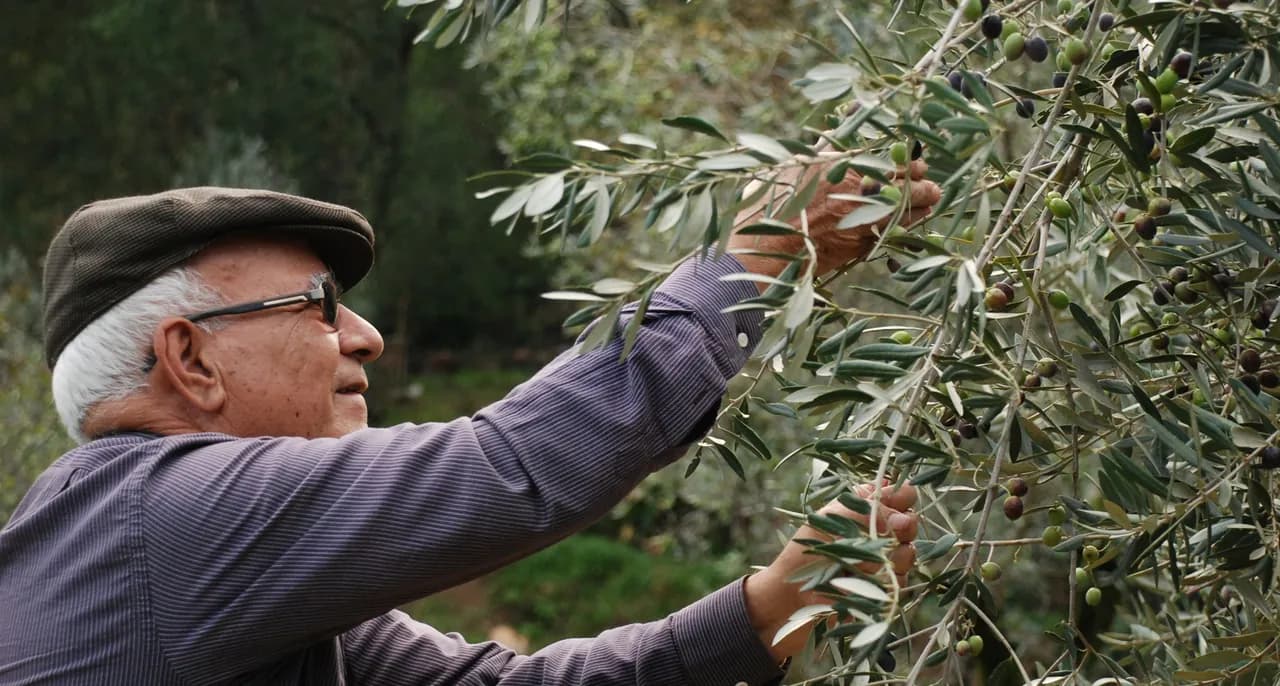
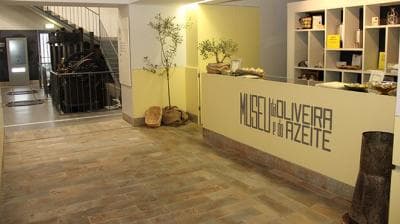
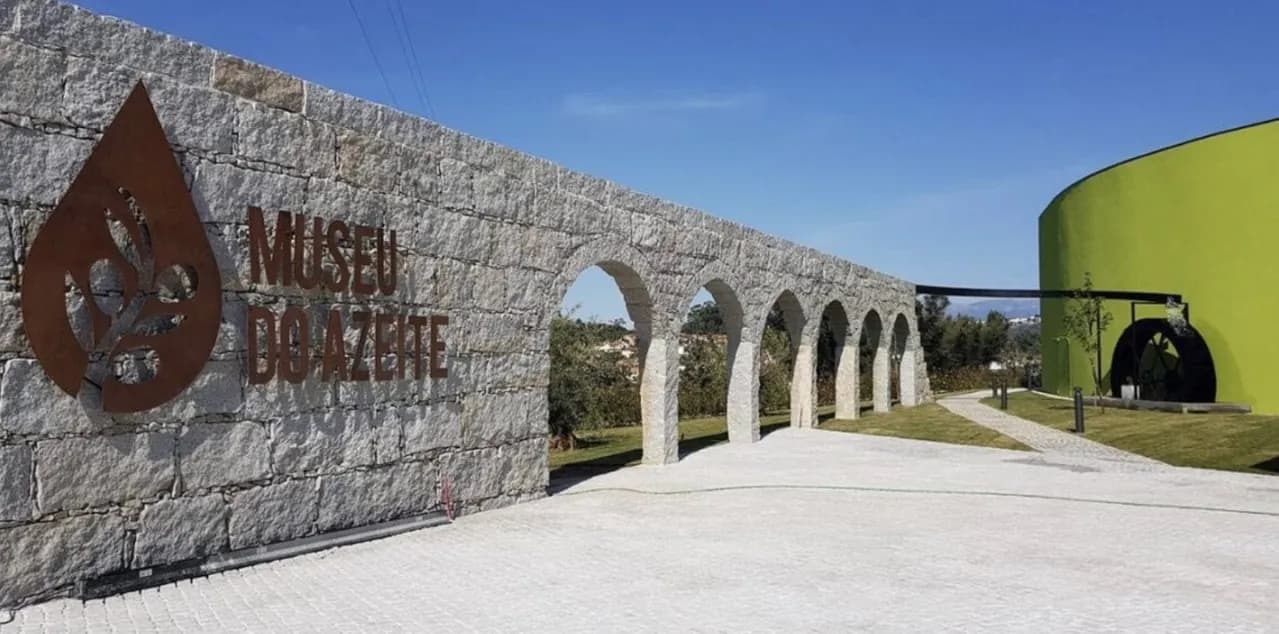
With enormous potential to attract visitors and boost the economies of the Douro and Trás-os-Montes sub-destinations, olive tourism in Porto and the North of Portugal has taken firm and sustainable steps. A significant number of tourism operators have organised programmes devoted exclusively to the theme on their estates, in museums or in cooperatives. They promote visits to the groves and contact with olive growers, where tourists learn how olive trees are cultivated and find out more about the olive harvest and oil extraction. They learn to recognise the regional varieties, to taste olive oil and to distinguish its chemical and sensory characteristics.
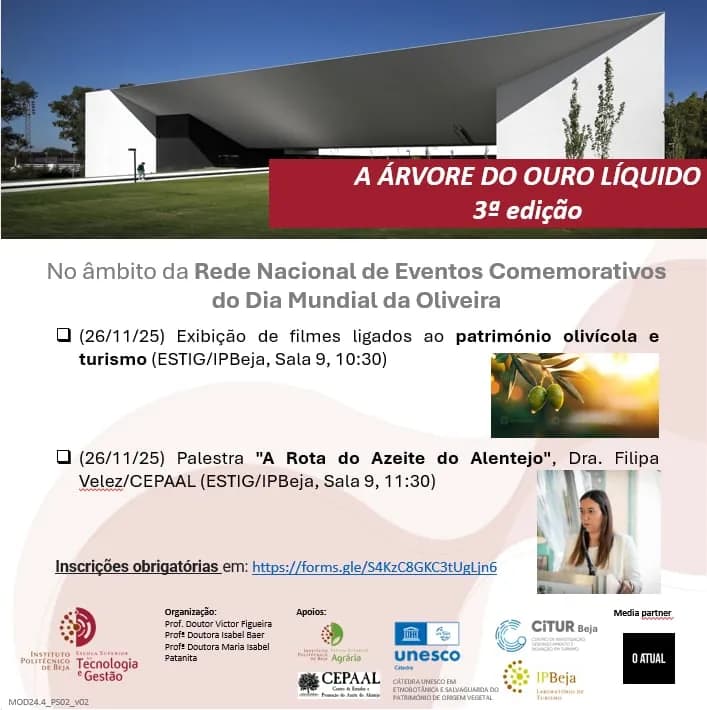
Olive tourism is a genuine “new world” that involves routes, gastronomic experiences in restaurants and hotels, beauty treatments in spas and countless leisure and well-being options linked to the liquid gold of the Douro and Trás-os-Montes. Porto and North Tourism is firmly committed to promoting events and initiatives throughout the region that showcase this immeasurable heritage, starting by joining this great international network, OLIVE4ALL, and by being honoured to sit on the Honorary Committee of the National Network of World Olive Tree Day 2025 Commemorative Events, celebrated on 26 November.
Luís Pedro Martins